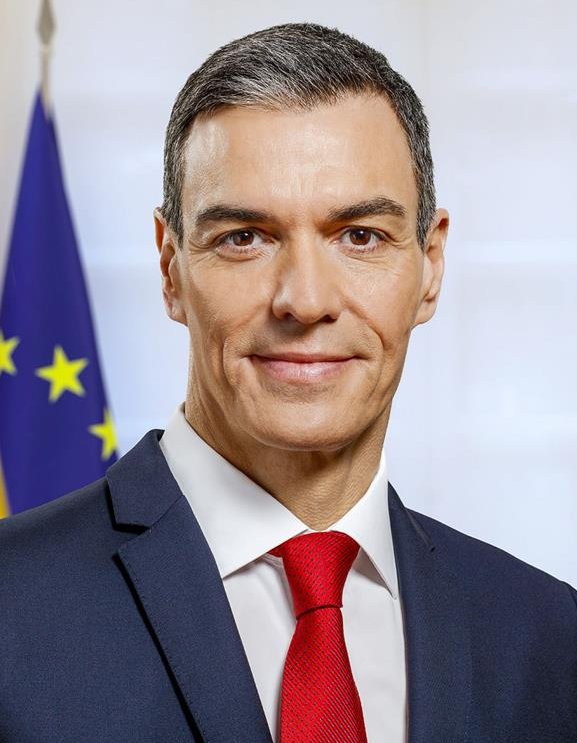
In the bustling corridors of power, whispers can travel faster than official statements, especially when they concern the health of a nation's leader. Recently, the focus shifted to the well-being of Spanish Prime Minister Pedro Sánchez, as a flurry of media reports and social media speculation suggested he might be grappling with a serious cardiovascular condition. However, the official response from Moncloa, the Prime Minister's official residence and office, has been swift, unequivocal, and emphatic, designed to decisively cut through the noise and reaffirm the leader's robust health and demanding work schedule.
The Heart of the Matter: Unpacking Moncloa's Firm Denial
The rumors, which rapidly gained traction across various digital platforms and some news outlets, painted a picture of Prime Minister Pedro Sánchez secretly undergoing treatment for a significant heart-related ailment. Specifically, some reports detailed a supposed cardiovascular illness, alleging that Sánchez, 53, had been receiving covert medical attention for months, with some even pointing to frequent visits to the prestigious Hospital Universitario Ramón y Cajal in Madrid for diagnostic tests and revisions. These claims went so far as to suggest potential serious risks such as thrombosis or infarction, linking his recently observed weight loss to the supposed condition.
However, the State Secretariat for Communication, acting on behalf of Moncloa, has issued a categorical and forceful denial. When directly questioned by COPE and other media outlets about the veracity of these claims, the official response left no room for ambiguity: “Obviamente, no. De hecho lo desmiento.” (Obviously, no. In fact, I deny it.) This direct repudiation underscores Moncloa's commitment to transparency and accuracy in the face of what it describes as unfounded speculation. Key points of the official rebuttal include:
- Categorical Denial: Moncloa explicitly refutes that Pedro Sánchez suffers from any cardiovascular illness.
- No Secret Treatment: The claim that the Prime Minister is receiving, or has received, secret treatment for a heart condition is entirely false.
- Rejection of Specifics: Allegations of frequent visits to Hospital Ramón y Cajal or undergoing specific procedures like a TAC scan for a heart issue are baseless.
- No Medical Risks: The notion of the PM facing risks such as thrombosis or infarction due to an undisclosed condition is rejected.
The office of Moncloa Pedro Sánchez has been keen to emphasize that these stories do not align with reality, stressing that there is no active medical treatment related to the heart, contrary to the assertions in the published reports. This strong stance aims to dispel concerns and restore focus on the governmental agenda rather than personal health rumors.
A Week of High Activity: Sánchez's Schedule as Counter-Narrative
Perhaps the most compelling evidence against the health speculation is the Prime Minister's public agenda itself. The rumors coincidentally emerged during a week of particularly intense political and governmental activity, during which Pedro Sánchez maintained a full and demanding schedule, indicative of robust health and uncompromised capacity to govern. Moncloa highlighted several key engagements that starkly contradict the image of a leader secretly battling a debilitating illness:
- Council of Ministers Meeting: On the very day the rumors were peaking, Sánchez was at the helm, presiding over a crucial meeting of the Council of Ministers at the Moncloa Complex at 09:30 h. This is a primary function of the Prime Minister, requiring full mental and physical presence.
- International Engagement: Later that day, at 12:00 h, he actively participated, albeit telematically, in a meeting of the Coalition of Volunteers for Ukraine. This international commitment demonstrates his continued engagement in global affairs and sustained energy levels.
These appointments are not merely symbolic; they reflect a consistent and demanding work rhythm that is incompatible with the severe health issues being speculated. The normal intensity of his daily tasks, from domestic policy decisions to international diplomacy, serves as a tangible counter-narrative to the unfounded rumors.
The Broader Political Landscape
It's also worth noting the political context surrounding the emergence of these rumors. The week in question was already politically charged, with Sánchez himself announcing that his government would declassify documents related to the attempted coup of 23-F. In such a high-stakes environment, where political discourse is often fervent, the spread of personal health rumors can sometimes be a tactic to divert attention or undermine public confidence. Moncloa's swift denial was therefore not just about personal privacy, but also about protecting the integrity of government operations and maintaining political stability.
Navigating the Media Landscape: Why Official Statements Matter
The episode surrounding Moncloa Pedro Sánchez's health underscores a critical aspect of modern information consumption: the ease with which unverified claims can spread and gain traction, especially via social media. The initial reports often cited anonymous sources or speculated based on physical appearance (the Prime Minister's thinness), leading to conclusions about "chronic stress" or undisclosed ailments without any medical backing.
In an age saturated with information, the role of official communication becomes paramount. Moncloa's firm and direct denial serves as a crucial anchor in a sea of speculative news. It highlights several important points:
- Combating Misinformation: Official statements from government bodies are essential to correct false narratives and prevent the erosion of public trust.
- Authority and Verification: For public figures, health information, if deemed relevant for public consumption, must come from official channels or direct medical confirmation, not from hearsay or unverified media reports.
- Impact on Governance: Unfounded rumors about a leader's health can destabilize markets, sow public doubt, and distract from the essential work of government.
The Ethics of Public Health Reporting
The incident also raises ethical questions about reporting on the health of public figures. While there is a legitimate public interest in the capacity of a head of government to perform their duties, this interest must be balanced with the individual's right to privacy. Speculative reporting on personal health, especially without official confirmation or a clear public health crisis, can cross a line, potentially leading to unnecessary alarm and violating privacy. Reputable journalism prioritizes verification and official sources, particularly when dealing with sensitive personal information.
Beyond the Headlines: General Insights on Health and Public Perception
While the focus here is on the specific denial from Moncloa regarding Pedro Sánchez's health, the episode provides a broader context for understanding how physical appearance, stress, and public perception intersect. It's common for individuals in high-pressure roles to experience physical changes, such as weight fluctuations, due to demanding schedules, travel, and the intense scrutiny they face. These changes, however, should not be automatically equated with severe illness without medical fact.
Managing stress, maintaining a balanced diet, and engaging in regular physical activity are fundamental for everyone, especially those in leadership positions. While we cannot comment on the Prime Minister's personal health regimen, the general principle holds: a proactive approach to well-being is vital for sustained performance and resilience. For the general public, this incident serves as a useful reminder to:
- Verify Sources: Always question the origin and reliability of health-related news, especially when it concerns public figures. Official government or medical sources are the most credible.
- Distinguish Fact from Speculation: Be critical of reports that rely on anonymous sources, visual cues (like weight loss), or social media rumors without concrete evidence.
- Understand Context: Consider the political or social climate in which rumors emerge, as this can sometimes influence their spread and intent.
- Prioritize Personal Health: While the spotlight is on public figures, their experiences can prompt us to reflect on our own health practices and the importance of regular check-ups with trusted medical professionals.
In conclusion, the vigorous denial from Moncloa regarding Pedro Sánchez's cardiovascular health aims to put an end to speculative reports and uphold the integrity of the Prime Minister's office. With a full public agenda and active engagement in national and international affairs, Moncloa Pedro Sánchez continues to lead, underscoring the importance of official communication in dispelling misinformation and maintaining focus on governance.