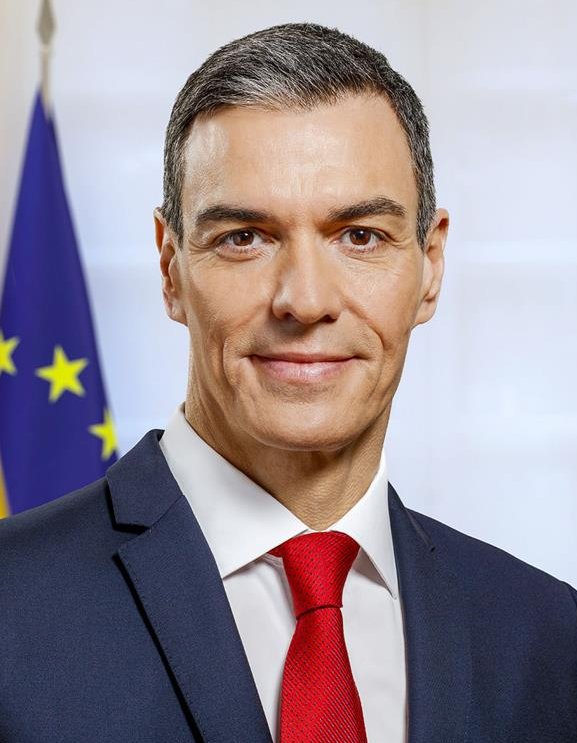
Moncloa Delivers Firm Rejection of Pedro Sánchez Cardiovascular Illness Claims
In a decisive move to quash swirling speculation, Moncloa has issued a categorical denial regarding claims that Spanish Prime Minister Pedro Sánchez is suffering from a cardiovascular illness. The official statement from the Secretaría de Estado de Comunicación directly refutes recent media reports suggesting that the head of the Spanish government has been receiving secret treatment for a heart condition over several months. This unequivocal rejection aims to restore clarity and halt the spread of misinformation concerning the health of Spain's leader, underscoring the government's commitment to transparent communication amidst a politically charged atmosphere.
The rumors, which gained traction across various digital platforms and social media, had painted a picture of a secretly ailing Prime Minister. However, Moncloa's swift and direct response leaves no room for doubt, affirming that Pedro Sánchez is in good health and his public duties remain unaffected. This incident highlights the delicate balance between a public figure's right to privacy and the public's demand for information, especially when it pertains to the well-being of a nation's leader.
Unpacking the Allegations: The Origin of the Health Rumors
The recent surge in speculation surrounding Pedro Sánchez's health can be traced back to several published reports that cited anonymous sources. These reports posited that the 53-year-old Prime Minister was battling a serious cardiovascular ailment, allegedly requiring ongoing, clandestine treatment. Specific allegations included frequent visits to the Hospital Universitario Ramón y Cajal in Madrid for medical revisions and diagnostic tests, with some even mentioning advanced procedures like TAC scans and potential risks such as thrombosis or a heart attack.
One notable aspect fueling these claims was Sánchez's physical appearance. His perceived thinness was interpreted by some as a symptom of an underlying health issue, with suggestions of "chronic stress" being a contributing factor. Social media platforms, in particular, became fertile ground for these unverified theories to proliferate, transforming a change in physical aspect into a subject of national concern. The timing of these rumors, coinciding with a week of significant political activity where Sánchez made key announcements, further amplified their impact, suggesting a potential link between his demanding schedule and a supposed decline in health. However, without official medical confirmation, such assertions remain firmly in the realm of speculation, lacking the necessary validation from credible sources.
Moncloa's Resolute Response and Concrete Evidence
In the face of these escalating rumors, the Secretaría de Estado de Comunicación, representing Moncloa, delivered an immediate and forceful rebuttal. When directly questioned by media outlets like COPE and others about the veracity of the claims, the official response was unequivocal: "Obviamente, no. De hecho lo desmiento." This direct denial left no ambiguity, asserting that the reports were simply "not accurate" and there was no "active medical treatment related to the heart" being undertaken by Pedro Sánchez.
Crucially, Moncloa didn't merely issue a denial; it backed its stance with demonstrable proof of Sánchez's robust public activity. His agenda for the week in question clearly contradicted any notion of a debilitating illness. For instance, on the very Tuesday the rumors were circulating, Sánchez presided over the crucial meeting of the Council of Ministers at the Moncloa Complex at 09:30h. Later that day, at 12:00h, he participated remotely in a meeting of the Coalition of Volunteers for Ukraine. These high-level engagements demand full mental acuity and physical presence, showcasing a rhythm of work that is typical for a head of government and utterly incompatible with the severity of the alleged cardiovascular conditions.
Such a full and active schedule serves as the most potent evidence against the speculative claims, reflecting a leader fully engaged and performing his duties without hindrance. Moncloa's swift and categorical rejection underscores the seriousness with which such misinformation is treated, aiming to quell the spreading rumors about the Spanish Prime Minister's well-being. For a deeper dive into the specifics of the official stance, read Pedro Sánchez's Health: Moncloa Debunks Heart Condition Rumors.
Beyond the Headlines: Navigating Public Health Information and Misinformation
The episode involving Moncloa Pedro Sánchez and the cardiovascular illness claims extends beyond a simple denial; it opens a broader discussion about how health information, particularly concerning public figures, is disseminated and consumed. In an era dominated by rapid information flow and the pervasive influence of social media, the line between factual reporting and unsubstantiated rumor can often blur. It poses significant challenges for both official communication channels and the general public in discerning truth from fiction.
The Ethical Tightrope of Reporting on Public Figures' Health
For journalists and media organizations, reporting on the health of a nation's leader is an immense responsibility. While the public has a legitimate interest in the fitness of their representatives to govern, this must be balanced with the individual's right to privacy and the ethical imperative to verify information rigorously. Spreading unconfirmed health claims can have serious implications, from eroding public trust to potentially destabilizing political environments. This case serves as a stark reminder of the importance of relying on official sources and expert medical opinions before publishing sensitive health information.
Social Media's Role in Amplifying Rumors
Social media platforms have revolutionized how news spreads, but they also present a double-edged sword. While they can facilitate rapid communication, they are equally effective in amplifying unverified claims and misinformation. The rumors about Pedro Sánchez's health gained significant traction online, demonstrating how quickly narratives can form and spread without the traditional gatekeeping mechanisms of established media. For individuals, this highlights the critical need for media literacy and a healthy skepticism towards information encountered online, especially when it pertains to sensitive topics like health.
Understanding these dynamics is vital for fostering an informed public discourse. When rumors about a leader's health emerge, it's essential for citizens to seek information from credible, official sources rather than succumbing to speculative narratives. The Moncloa's clear and immediate denial, coupled with concrete evidence of Sánchez's active agenda, serves as a textbook example of how to effectively counter misinformation.
The Importance of Official Channels and Transparency
The incident surrounding Pedro Sánchez's alleged cardiovascular illness powerfully underscores the critical role of official communication channels in maintaining public trust and stability. In the absence of confirmed medical information from the patient or official government sources, any claims about a public figure's health remain mere speculation, lacking any credible backing. This principle is paramount, as the health of a head of government carries significant institutional implications that demand the highest standards of factual accuracy.
Moncloa's strategy to combat these rumors was effective: immediate, unequivocal denial followed by transparent demonstrations of the Prime Minister's ongoing, active engagement in his duties. This approach not only dispelled the specific claims but also reinforced the message that the government is committed to providing accurate information. Indeed, Sánchez's consistent engagement in high-level governmental duties and international conferences serves as a robust counter-narrative to unsubstantiated claims. Further insight into his public commitments and how they reflect on these claims can be found in Active Agenda: Pedro Sánchez Dispels Health Speculation.
For any communication office dealing with similar scenarios, the key takeaways are clear: act swiftly, be direct in your denials, and support your statements with tangible evidence. This proactive stance helps to prevent the proliferation of falsehoods and preserves the integrity of public discourse.
Conclusion
Moncloa's emphatic denial of Pedro Sánchez's cardiovascular illness claims has firmly put an end to the recent wave of health speculation. By refuting the allegations unequivocally and substantiating their rejection with details of the Prime Minister's unhindered and demanding public agenda, the government has reasserted its commitment to factual accuracy. This episode serves as a powerful reminder of the responsibilities held by media organizations, the pervasive influence of social media, and the critical importance of official communication in safeguarding public trust against the tide of misinformation. Ultimately, the health of a nation's leader is a matter of public interest, but only when reported with diligence, verified through official channels, and respecting the necessary balance between transparency and privacy.