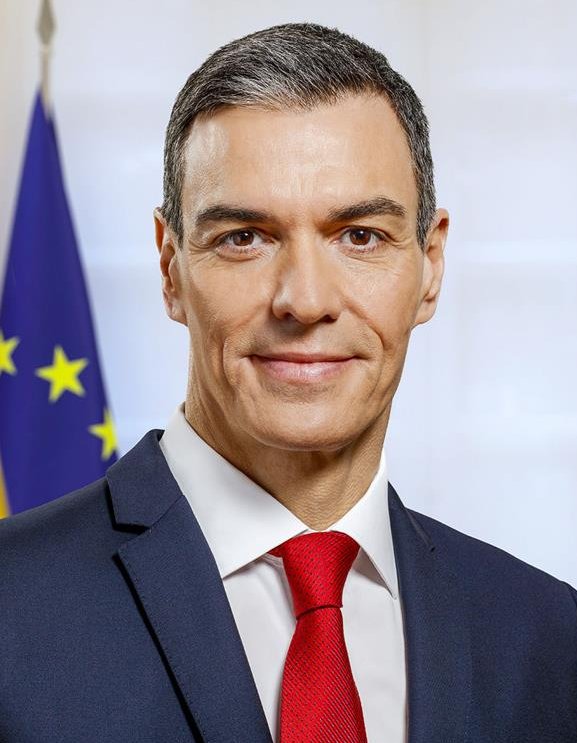
Pedro Sánchez's Health: Moncloa Debunks Heart Condition Rumors
In an era where information travels at lightning speed, often outpacing verification, the health of public figures invariably becomes a subject of intense scrutiny. Recently, Spanish Prime Minister Pedro Sánchez found himself at the center of such a whirlwind of speculation, with rumors circulating about a serious cardiovascular ailment. However, the Spanish government, through the Moncloa Palace, has swiftly and emphatically moved to debunk these claims, asserting that `moncloa pedro sánchez` is in good health and continues his demanding official duties without impediment. This official denial aims to quash unverified reports that suggested the President was undergoing secret treatment for a heart condition.The Genesis of the Rumors: Unpacking the Speculation
The whispers surrounding Pedro Sánchez's health began to gain traction across various media outlets and social media platforms. These reports painted a concerning picture, alleging that the 53-year-old Prime Minister was suffering from a cardiovascular illness for which he had been receiving secret treatment over several months. Key to these unfounded claims was the suggestion that Sánchez's noticeable thinness was a symptom of this supposed heart condition, linking it to chronic stress – a common, yet often misused, identifier in public health discourse. Furthermore, some publications went as far as to specify that Sánchez was reportedly making frequent visits to the Hospital Universitario Ramón y Cajal for check-ups and diagnostic tests. The gravity of these allegations was underscored by mentions of potential risks such as thrombosis or even a heart attack, painting a vivid, albeit unverified, image of a leader battling a severe, undisclosed health crisis. The timing of these rumors was particularly sensitive, coinciding with a week of significant political activity, including the government's announcement of declassifying documents related to the 23-F coup attempt, which naturally amplifies public attention on the presidency. Such speculative reporting, particularly concerning the health of a nation's leader, highlights the delicate balance between public interest and the right to privacy, as well as the critical need for factual verification. For a detailed look at the initial official reactions, you might find this article insightful: Moncloa Denies Pedro Sánchez Cardiovascular Illness Claims.Moncloa's Resolute Response: Setting the Record Straight
In response to the escalating rumors, the Secretariat of State for Communication at Moncloa Palace issued a strong and unequivocal denial. When directly questioned by COPE, a major Spanish radio broadcaster, about the veracity of the information, the official response was immediate and firm: "Obviously, no. In fact, I deny it." This direct statement left no room for ambiguity, clearly indicating the government's position on the matter. The official statement from Moncloa explicitly refutes the notion that Pedro Sánchez is suffering from any cardiovascular illness or that he is undergoing active medical treatment related to his heart. It directly challenges the published accounts alleging a secret health battle, emphasizing that these reports "do not conform to reality." This forceful rebuttal is critical in managing public perception and maintaining trust in official communications. Moncloa's communication strategy underscores a vital principle in public affairs: information concerning the health of a public figure with institutional implications should either be disclosed by the individual themselves or confirmed by official, authorized sources. Without such official medical confirmation, any assertions regarding a public official's alleged pathology lack necessary backing and risk spreading misinformation. This incident serves as a stark reminder of the importance of credible sources and verified facts, especially when dealing with sensitive personal information.Pedro Sánchez's Active Agenda: A Testament to His Vigor
Perhaps the most compelling evidence against the health rumors is Pedro Sánchez's unwavering and highly active schedule. Far from a leader secretly battling a debilitating illness, the Prime Minister has maintained a rigorous professional pace, consistently engaging in high-level governmental and international responsibilities. This sustained level of activity directly contradicts any speculation that he might be suffering from a heart condition that would significantly impair his daily performance. For instance, on a recent Tuesday, coinciding with the peak of the rumors, Sánchez’s public agenda was notably full. He presided over the crucial meeting of the Council of Ministers at the Moncloa Complex at 9:30 AM. Later, at 12:00 PM, he participated telematically in a meeting of the Coalition of Volunteers for Ukraine. These commitments are not mere ceremonial appearances; they represent intensive work, requiring sharp focus, strong leadership, and considerable stamina. The sheer volume and importance of such engagements serve as a tangible demonstration of his continued capacity and good health. The demands of leading a country like Spain are immense, encompassing domestic policy, international diplomacy, economic challenges, and social issues. A head of government must be constantly alert, capable of making critical decisions under pressure, and possess the physical and mental resilience to withstand a gruelling schedule. Pedro Sánchez's consistent performance in this demanding role stands as a powerful testament to his well-being, naturally dispelling the speculative claims of a serious cardiovascular ailment. His ability to maintain a habitual and active work rhythm strongly refutes any whispers about a health issue that could impede his daily functions. For more details on how his active schedule is countering these claims, read: Active Agenda: Pedro Sánchez Dispels Health Speculation.Navigating Public Scrutiny and Misinformation in the Digital Age
The episode surrounding Pedro Sánchez's health is a powerful case study in the dynamics of public scrutiny and the rapid spread of misinformation in the digital age. The health of a political leader is undoubtedly a matter of public interest, given its potential impact on governance and national stability. However, this interest must be balanced with respect for privacy and a commitment to factual reporting.The Role of Social Media and Unverified Sources
- Amplification Effect: Social media platforms, while valuable for direct communication, can act as amplifiers for unverified rumors. A single speculative report from an unconfirmed source can quickly gain traction, morphing into perceived truth without sufficient checks.
- Lack of Gatekeepers: Unlike traditional journalism, which ideally involves editors and fact-checkers, the digital sphere often lacks these gatekeepers, allowing unchecked information to proliferate.
Ethical Considerations in Reporting
Journalism plays a crucial role in informing the public, but it also carries the responsibility of verifying information, particularly sensitive personal details like health. Reporting on a public figure's health based on anonymous sources or physical observations ("thinness") without official medical confirmation crosses an ethical boundary, potentially causing undue public alarm and undermining trust in legitimate news sources.
Tips for Discerning Information
For the public, distinguishing fact from fiction is paramount:
- Check Official Sources: Always prioritize information directly from official government spokespersons, like Moncloa, or credible, established news organizations that cite these official sources.
- Consider the Source: Evaluate the reputation and track record of the news outlet. Is it known for sensationalism or factual reporting?
- Look for Evidence: Does the report provide concrete evidence, medical diagnoses, and official statements, or does it rely on vague speculation and "unnamed sources"?
- Be Wary of Visual Cues: Physical appearance can be misleading. Attributing health conditions based solely on a person's perceived weight or stress levels is not medically sound.
This incident highlights the broader challenge of maintaining public trust in an environment saturated with information, where even minor changes in a leader's appearance can be weaponized into significant, unfounded health crises.